• About Me
    • EXPLORATION SERVICES
Mineral Exploration Geology  –  finding value in the world around us

ARKENSTONE EXPLORATION – Exploring for the Heart of the Mountain

Mineral Exploration Geology – finding value in the world around us

About Me
Exploration Services
Blog
  • The Radiation Exposure Paradox: Coal vs Nuclear

    April 19th, 2025

    Nuclear power often provokes intense public concern due to fears surrounding radiation. Yet, the reality of radioactive exposure from coal combustion tells a strikingly different story, offering a paradox that challenges common perceptions. For those interested in geology, mining, exploration, and investment, understanding this paradox is critical for reshaping perspectives on energy production and the future of the industry.

    Unearthing the Paradox: Radiation From Coal Plants

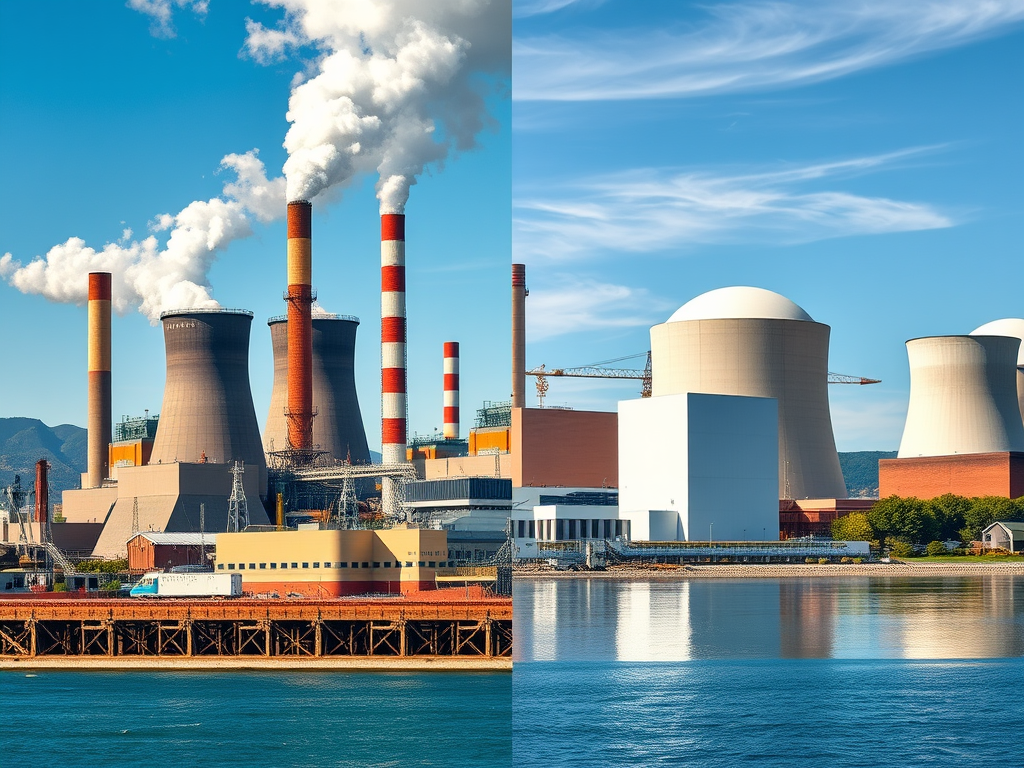
    🔥 Coal combustion has been quietly releasing radioactive materials into the environment for decades. While nuclear power plants are meticulously designed to contain all fission products, coal-fired plants inadvertently disperse trace radioactive elements like uranium and thorium. These elements, naturally present in coal seams, concentrate in the resulting fly ash during combustion. The fly ash—often released as airborne particulates—contains radioactive dust that drifts into the surrounding environment.

    For context, coal plants behave like slow-motion dirty bombs, distributing low-level radioactive particles with every puff of smoke emanating from the smokestack. Conversely, nuclear reactors operate as self-contained systems, shielded by layers of engineered containment that ensure radioactive materials stay locked within fuel rods.

    🧠 The Takeaway: Comparing Exposure

    To visualize the contrast, consider this analogy:

    • Coal plants: Like a slow-motion release of radioactive dust.
    • Nuclear plants: Comparable to a dental X-ray, where radiation exposure is heavily regulated and contained.

    Most people associate nuclear energy with radiation risks, yet scientific research shows that coal-fired plants have historically introduced more radioactive exposure into the environment than nuclear plants. This phenomenon, referred to in studies by the Oak Ridge National Laboratory (ORNL) and Scientific American, highlights the hidden costs of reliance on coal.

    ☢️ Are Coal and Nuclear Dangerous?

    The radiation emitted by both coal and nuclear power plants is negligible for most individuals when compared to other common sources of radiation, such as smoking, air pollution, or flying in an airplane. However, the cumulative environmental impact of coal combustion, especially its radioactive footprint, presents a compelling argument for reevaluating its role in the global energy mix.

    Public perception often targets nuclear energy as inherently unsafe, despite evidence proving its strict regulatory standards and negligible radiation leakage. In contrast, coal’s environmental burden, including its radioactive emissions, slips under the radar in many discussions about energy safety and sustainability.

    Implications for Geology, Exploration, and Investment

    For geologists and mining experts, the natural occurrence of uranium and thorium in coal underscores the significance of understanding mineralogical content in coal seams. Mining and exploration professionals should consider how trace radioactive elements influence the environmental footprint of coal extraction and combustion.

    Investors, particularly those focusing on clean energy solutions and critical minerals, can leverage this knowledge to guide portfolio strategies. Phasing out coal for nuclear—a safer and more sustainable alternative—represents an opportunity to drive innovation in energy infrastructure while addressing public misconceptions.

    🔬 Advocacy for Change

    Coal plants have served as the backbone of base-load energy supply for decades, but their environmental impact, including radiation exposure, demands a shift to cleaner alternatives. Nuclear energy, with its zero-emission profile and superior containment systems, stands out as a logical successor to coal. Environmentalists and industry advocates should unite to lobby for increased adoption of nuclear power, encouraging policies that prioritize safety and sustainability.

    By transitioning from coal to nuclear, millions of lives could be saved annually from the harmful effects of air pollution and the environmental toll of coal combustion. It’s time to rethink our energy future and elevate nuclear power as the greener, safer alternative.

    📚 Sources for Further Reading

    • Oak Ridge National Lab (ORNL) – Coal Combustion: Nuclear Resource or Danger? Read More
    • Scientific American – Coal Ash More Radioactive Than Nuclear Waste Read More

    Let’s harness the power of science and effective communication to challenge myths surrounding energy production and radiation exposure. Together, we can redefine the narrative and pave the way for a cleaner, safer future.


  • Cobre Panama: The Geological Marvel in Limbo

    April 11th, 2025

    Introduction: The Copper Behemoth on Pause

    Nestled within Panama’s lush tropical forests lies Cobre Panama, a remarkable testament to modern mining engineering and geological wealth. Operated by First Quantum Minerals, this massive copper mine once contributed an impressive 1.5% of global copper output. Since its start of operations in 2019, it stood as an example of what contemporary porphyry copper mines could achieve. However, for the past 18 months, it has been eerily silent—halted by a combination of legal rulings, widespread public protests, and political turbulence in Panama. This article delves deeper into the mine’s significance, its challenges, and what its future may hold.


    The Geological and Economic Significance of Cobre Panama

    Cobre Panama is no ordinary mine. It holds not just immense copper reserves but also deposits of gold, silver, and molybdenum, making it one of the most promising polymetallic orebodies discovered in recent decades. In 2023, the mine had just hit record production levels before its operations were forcibly ceased. To put its scale into perspective, Cobre Panama produced enough copper annually to surpass the total output of some copper-producing nations.

    Economically, the mine had a profound impact on Panama’s economy, contributing 5% to the nation’s GDP at its peak. Its fiscal contributions, including wages, taxes, and domestic procurement, totaled $1.8 billion in 2023, according to the International Monetary Fund (IMF). Beyond direct economic benefits, the mine supported 54,000 direct and indirect jobs and accounted for a staggering 75% of Panama’s export earnings (source: IMF, 2024 report).

    However, this pause in production comes at a high cost. The company has been spending approximately $15 million per month on maintenance, while valuable deposits remain untapped. A stockpile of 120,000 tonnes of copper concentrate sits at a port, awaiting clearance to be shipped—an unprecedented logistical dilemma.


    Environmental Concerns and Social Unrest

    Mining, by its nature, often finds itself at odds with environmentalists and local communities. In Cobre Panama’s case, these tensions reached a boiling point. Environmental NGOs and prominent figures like Greta Thunberg and Leonardo DiCaprio have criticized the mine, claiming it poses risks to Panama’s fragile ecosystems. However, First Quantum Minerals has staunchly defended its operations, emphasizing that the mine’s flotation circuits rely purely on gravity-based separation rather than harmful chemicals like cyanide or mercury.

    The mine’s closure has had ripple effects far beyond its gates. In nearby communities, informal mining has proliferated as local residents struggle to make ends meet, often resorting to rudimentary and environmentally unsound mining practices. Organized crime has also taken advantage of the void left by the mine’s shutdown, infiltrating unauthorized mining operations. Furthermore, tourism operators in the region, once buoyed by the economic activity brought by the mine, have seen their businesses suffer.

    Rust and Ruin: The Challenge of Restarting Operations

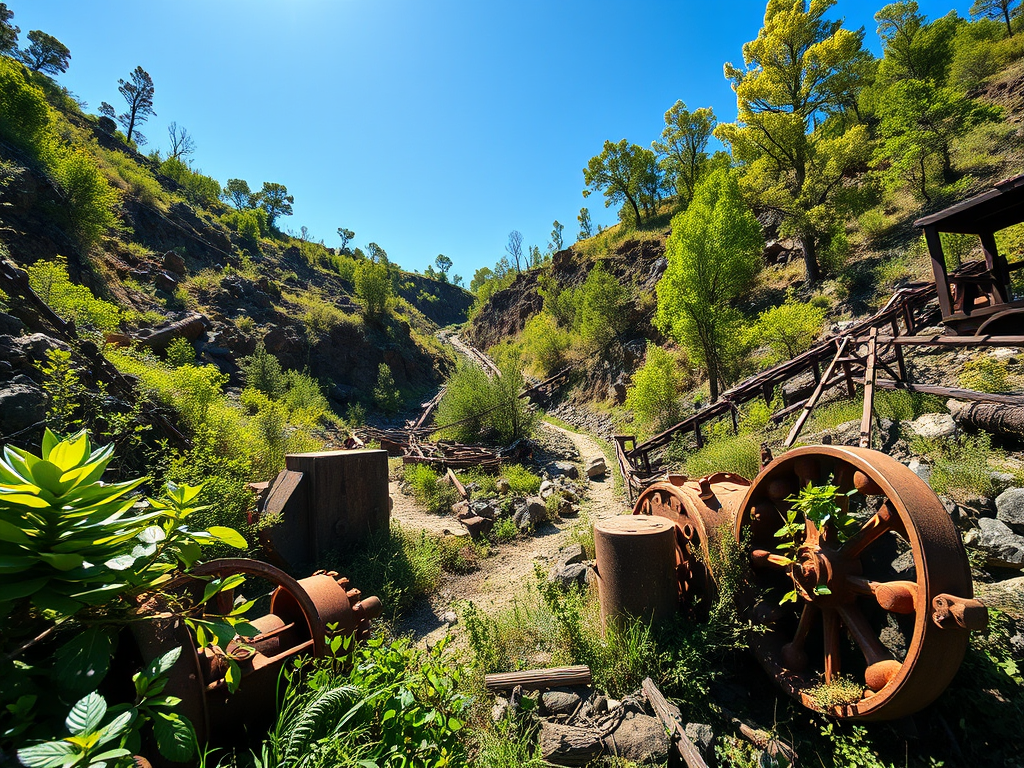
    While the geological promise of Cobre Panama remains intact, the mine itself paints a grim picture. Equipment worth millions lies rusting in the damp jungle air, and conveyor belts sit idle, their heaped ore baking under the tropical sun. Only a third of the workforce remains on-site, maintaining what they can and preparing for a potential restart. However, bringing the mine back online is no small feat.

    According to industry analysts, the longer a mine stays inactive, the more challenging it becomes to restart. In the case of Cobre Panama, logistical hurdles such as re-recruiting skilled labor, repairing infrastructure, and renegotiating contracts loom large. The mine may technically be “shovel-ready,” but operational readiness will require months of preparation.


    Global Dynamics: A Copper Mine in a Shifting World

    Cobre Panama’s closure isn’t just a local issue; it underscores broader global dynamics in the resource sector. Copper’s designation as a critical mineral by the U.S. in 2024 highlights its strategic importance in modern technologies, including renewable energy systems and electric vehicles. The U.S. has moved swiftly to reassert influence over Panama, replacing Chinese operators in its ports with American firms like BlackRock.

    At the same time, Panama itself has experienced significant political and social upheaval. The fallout from the Panama Papers scandal, coupled with the economic effects of the pandemic, has eroded public trust in the government. These tensions have contributed to the controversies surrounding Cobre Panama, as politicians weigh the economic benefits of the mine against public opposition and environmental concerns.


    Conclusion: The Road Ahead for Cobre Panama

    The story of Cobre Panama is one of immense promise and equally immense challenges. Its reopening remains uncertain, contingent on navigating complex political, social, and economic landscapes. For geologists and industry professionals, the mine’s tale serves as a case study in the intricate interplay between natural resource extraction and human factors.

    As the world continues to demand copper for its transition to green energy, the stakes for Cobre Panama have never been higher. Whether it becomes a cautionary tale or a comeback story will depend on the decisions made in the months and years ahead.

    What are your thoughts on the challenges and opportunities surrounding Cobre Panama? Share your perspective in the comments below or reach out to discuss further!

  • The Nuclear Boom: Why Investment in Uranium Mining Is Critical

    April 8th, 2025

    The resurgence of nuclear energy as a vital source of clean and reliable power has pushed the demand for uranium into unprecedented territory. The latest “Red Book” report by the Nuclear Energy Agency and International Atomic Energy Agency serves as a wake-up call for the industry and governments worldwide. It highlights the urgency of investing in exploration, development, and innovative processing techniques to sustain nuclear energy’s growth, particularly as ambitions for a low-carbon future mount.

    Current State of Uranium Resources and Global Distribution

    The report reveals that global identified recoverable uranium resources amount to approximately 7.93 million tonnes as of January 2023. These resources are sufficient to support the projected growth of nuclear power until the 2080s under a high-growth scenario, where nuclear capacity rises significantly through 2050 and remains elevated afterward. However, a minimal increase in identified resources—less than 0.5% since the 2022 edition—underscores the need for immediate action.

    Australia dominates the resource landscape with 24% to 28% of global uranium reserves, much of it concentrated in the Olympic Dam deposit. Kazakhstan, while accounting for 14% of the resources, outpaces every other nation in production, responsible for 43% of global uranium output in 2022. Other major players include Canada, Namibia, Uzbekistan, Russia, and Niger.

    Post-COVID Market Trends: Revival of Exploration and Production

    The Red Book provides evidence of a rejuvenated uranium sector following the pandemic-induced slump. Exploration and mine development expenditures climbed from $800 million in 2022 to $840 million in 2023, with production growing by 4% between 2020 and 2022. This trend is expected to persist as demand continues to rise.

    However, establishing new production centers faces critical hurdles: risk-averse investment climates, prolonged regulatory processes, geopolitical challenges, and technical difficulties. These barriers suggest that while the medium-term outlook appears promising, extensive planning and investment are vital to avoid supply shortages in the future.

    Implications for Exploration and Development

    The call to action is clear: new exploration efforts must identify additional recoverable uranium resources to offset rising demand. Investing in research to develop efficient extraction methods for lower-grade ores is also crucial. For instance, innovative technologies, such as in-situ recovery, could become game-changers by reducing costs and environmental impact.

    Additionally, geopolitical and regulatory frameworks need to support exploration activities. Governments must streamline permitting processes and provide financial incentives for investments in mining infrastructure.

    Long-Term Outlook for Uranium Mining and Processing

    The high-growth scenario projected in the Red Book indicates nuclear capacity could rise by 130% by 2050 compared to 2022 levels. Meeting this demand requires not just mining more uranium but also advancing processing techniques, particularly in producing nuclear fuels like triuranium octoxide (U3O8), commonly known as yellowcake. Modernizing processing facilities and diversifying supply chains will be critical to ensure stability and resilience in the uranium market.

    Role of Nuclear Energy in Decarbonization and Corporate Strategies

    Nuclear energy is entering a “new era,” according to the International Energy Agency, with investment levels nearing those last seen during the oil crises of the 1970s. Its potential as a baseload power source has attracted both governments and corporations. At the Cop28 climate conference in Dubai, 25 countries pledged to triple nuclear generation capacity by 2050. Corporations like Microsoft and Amazon are also investing in nuclear power to fuel data centers and AI systems.

    This renewed interest signals that nuclear energy is no longer just an alternative; it is a cornerstone of global decarbonization strategies. However, this soaring demand for nuclear power must align with investments in uranium mining and processing to support these ambitions sustainably.

    Conclusion: A Decisive Decade Ahead

    The nuclear sector is poised for rapid expansion, but this growth hinges on immediate investments in uranium exploration, development, and processing. Governments and corporations must prioritize these efforts to ensure a stable and sustainable supply chain for nuclear fuels. The 2020s will be a decisive decade—not only for the uranium market but also for shaping the future of global energy systems.


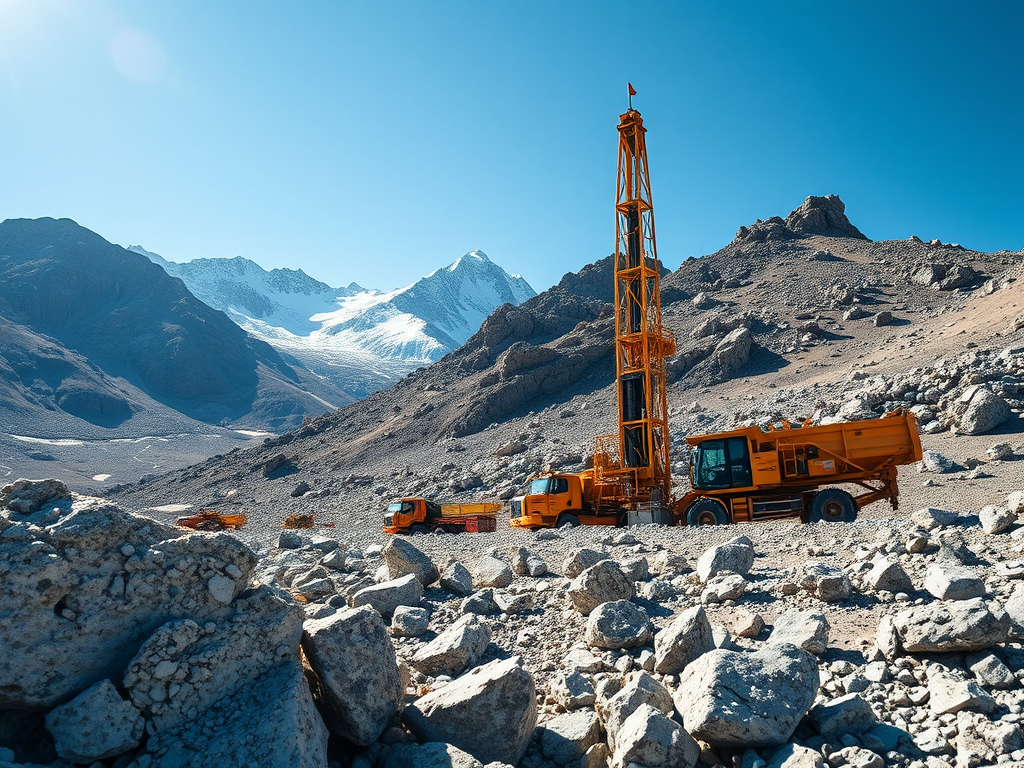
  • Celebrating the Vital Role of Mineral Exploration Geologists in Mining

    April 6th, 2025

    On National Geologist Day, it’s an opportune moment to reflect on the critical contributions of mineral exploration geologists and how their work reverberates throughout the entire mining lifecycle. Geologists are far more than rock enthusiasts; they are strategists, scientists, and innovators who lay the groundwork for an entire industry.

    Let’s explore how mineral exploration geologists provide the original data that informs every stage of mining, turning raw potential into sustainable success.


    Mineral Exploration: The Starting Point of Every Mining Journey

    Every mining project begins with exploration, and this stage is guided by the expertise and intuition of mineral exploration geologists. These professionals are tasked with the challenging yet rewarding responsibility of uncovering mineral potential. Their work involves:

    • Data Collection: Gathering geological, geochemical, and geophysical data to pinpoint promising mineral deposits.
    • Mapping Potential: Creating detailed maps that serve as the first blueprint for understanding an area’s resource viability.
    • Hypothesis Testing: Using critical thinking to evaluate mineral theories and test the likelihood of a productive outcome.

    Their discoveries represent the foundational data that powers the rest of the mining lifecycle. How can technology further enhance the precision and efficiency of exploration in the future?


    Evaluation: Transforming Raw Data into Economic Insight

    The evaluation stage is where geology meets business. Geologists analyze the data gathered during exploration to determine whether a site is economically viable. Their expertise helps mining companies navigate risks and make informed decisions. Key responsibilities include:

    • Resource Estimation: Calculating ore reserves and grades to assess the value of a deposit.
    • Feasibility Studies: Integrating geological findings with economic models to forecast profitability.
    • Risk Assessment: Identifying geological challenges and recommending mitigation strategies.

    The balance between geological insight and economic practicality raises thought-provoking questions: Is sustainability always compatible with economic viability? What compromises are necessary?


    Development and Production: Geologists as Operational Guides

    During the development and production phases, geologists transition from strategists to operational guides. Their expertise ensures efficient and responsible extraction of resources while prioritizing safety. Here’s how they contribute:

    • Excavation Planning: Advising on mining methods based on rock mechanics and orebody characteristics.
    • Safety Protocols: Identifying hazards such as unstable ground conditions and designing preventive measures.
    • Waste Minimization: Collaborating with engineers to maximize ore recovery while reducing waste.

    Given their role in production, geologists also help address an evolving challenge: How can mining operations further reduce environmental impact and energy consumption?


    Closure and Rehabilitation: Designing Sustainable Futures

    The impact of geologists extends well beyond production, as they play a pivotal role in closure and rehabilitation efforts. Their contributions include:

    • Stability Analysis: Assessing long-term geological stability of mine sites to prevent future risks.
    • Rehabilitation Plans: Using original exploration data to inform restoration efforts and return land to productive use.
    • Environmental Stewardship: Developing innovative approaches to minimize ecological footprints.

    These efforts provoke deeper questions: What does true sustainability look like in mining? How can geologists advocate for stronger environmental policies in the industry?


    The Ripple Effect of Original Data: From Start to Finish

    The original data collected by mineral exploration geologists doesn’t fade into obscurity after exploration; it becomes a thread that connects every stage of the mining lifecycle. Here’s how it’s harnessed:

    • Adaptive Use: Exploration data evolves into resource models, operational plans, and closure strategies.
    • Knowledge Sharing: Findings inform geological practices, benefiting future exploration efforts.
    • Technological Integration: Data collected by geologists fuels advancements in AI, remote sensing, and resource mapping.

    The question then becomes: How can the industry better preserve and repurpose geological knowledge to improve long-term outcomes?


    Celebrating Geologists: The Architects of Opportunity

    Mineral exploration geologists embody innovation and resilience, turning possibility into reality. Their dedication enables mining to progress in smarter, safer, and more sustainable ways. On this National Geologist Day, let’s not only celebrate their achievements but also inspire conversations around their evolving role in the mining sector.

    What stage of the mining lifecycle do you believe geologists have the greatest impact on? How can the industry elevate their contributions even further?


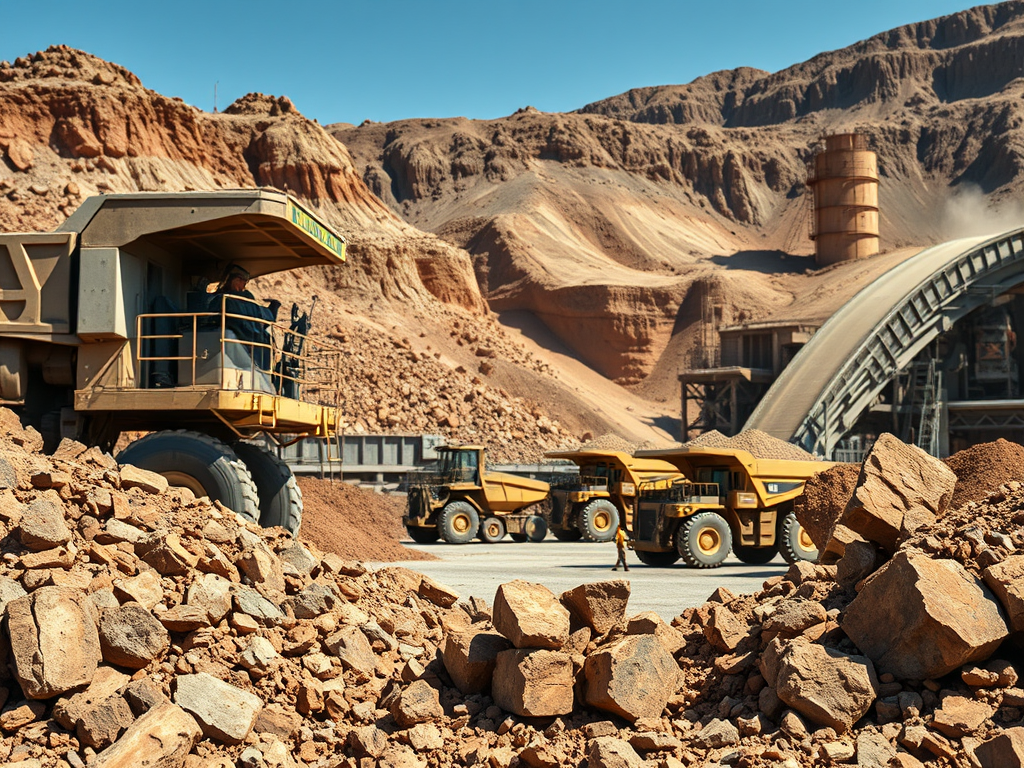
  • The Strategic Importance of Critical Minerals: A Deep Dive into Exploration, Production, and Investment

    April 3rd, 2025

    Mineral Exploration Geology: Unlocking the Earth’s Potential

    Mineral exploration is the foundation of the critical minerals supply chain. Geologists play a pivotal role in identifying deposits of rare earth elements, lithium, cobalt, and uranium—materials essential for modern technology and national security. Recent advancements in geophysical and geochemical techniques have accelerated the discovery of these resources. For instance, the U.S. Geological Survey (USGS) has identified 50 critical minerals vital to the economy, many of which remain untapped.

    The Trump administration’s executive orders have emphasized the need to prioritize exploration on federal lands. By streamlining permitting processes and reducing regulatory bottlenecks, the government aims to encourage private-sector investment in exploration projects. This approach not only accelerates discovery but also reduces reliance on foreign imports, particularly from nations like China, which currently dominate the global supply chain.

    Domestic U.S. Mineral Production: Building a Resilient Supply Chain

    The United States has vast reserves of critical minerals, yet domestic production has historically lagged due to regulatory and economic challenges. In 2023, U.S. mineral production contributed over $105 billion to the economy, with crushed stone leading the way. However, the nation remains 100% import-reliant for at least 15 critical minerals.

    The Trump administration’s policies aim to reverse this trend by leveraging the Defense Production Act to boost domestic production. Federal lands with known mineral deposits are being prioritized for development, and new funding mechanisms are being introduced to support mining and processing projects. For example, the Brook Mine in Wyoming is set to become a significant source of gallium, germanium, and scandium, reducing dependence on Chinese imports.

    Investment Opportunities: A New Frontier

    The push for critical minerals has created a fertile ground for investment. The establishment of a dedicated critical minerals fund through the U.S. International Development Finance Corporation is a game-changer. This fund aims to attract private capital to projects that enhance domestic production capabilities.

    Uranium production, in particular, has seen renewed interest. Energy Fuels, a leading U.S. company, is ramping up operations to meet growing demand for nuclear energy. The company is also diversifying into rare earth elements processing, creating a comprehensive critical minerals hub. These initiatives align with the “America First” policy, which seeks to strengthen national security and economic independence.

    Challenges and Opportunities

    While the outlook is promising, challenges remain. The high cost of developing new mines, coupled with environmental concerns, poses significant hurdles. Additionally, China’s dominance in the midstream processing of critical minerals creates vulnerabilities in the supply chain.

    However, the U.S. has the tools to overcome these obstacles. By fostering public-private partnerships, investing in research and development, and leveraging its vast natural resources, the nation can build a resilient and sustainable critical minerals industry.

    Conclusion: A Path Forward

    The Trump administration’s focus on critical minerals represents a bold step toward securing America’s economic and national security. By prioritizing exploration, boosting domestic production, and creating investment opportunities, the U.S. is well-positioned to lead in this vital sector. While challenges persist, the potential rewards far outweigh the risks, making this an exciting time for the industry and the nation as a whole.

  • Cobalt, copper added to China’s state metal reserves: How it impacts U.S. markets & mining

    March 24th, 2025

    China’s Strategic Metal Reserves Expansion

    China’s decision to bolster its strategic reserves of critical industrial metals, including cobalt, copper, nickel, and lithium, reflects its focus on securing mineral supply chains amidst rising energy-transition demands and geopolitical tensions. The National Food and Strategic Reserves Administration has been actively seeking to purchase these metals, as highlighted in the National Development & Reform Commission’s (NDRC) annual report. This move aims to stabilize prices, balance supplies, and ensure resilience during supply crunches. However, details regarding the timing and quantities of these stockpiles remain confidential.

    Market Impacts

    • Copper Prices: Copper on the London Metal Exchange recently surged past $10,000 per ton, marking its highest level since October. On New York’s Comex, prices neared record highs before slightly declining.
    • Cobalt Trends: Cobalt prices have soared this month, driven by an export moratorium from the Democratic Republic of Congo, the world’s largest producer.

    Implications for U.S. Domestic Mining

    China’s strategic stockpiling underscores the urgency for the U.S. to reduce its reliance on foreign mineral imports. The Trump administration’s recent executive order to boost domestic mineral production aligns with this goal. The order invokes the Defense Production Act to expedite permitting, provide financing, and prioritize mineral production on federal lands.

    Key Measures

    • Streamlined Permitting: Federal agencies are directed to fast-track approvals for mineral production projects.
    • Defense Production Act: This act is being utilized to expand domestic capacity for critical minerals, including uranium, copper, and rare earth elements.
    • Private Sector Collaboration: The administration is working with private companies to ensure a stable and resilient domestic supply chain.

    Challenges and Opportunities

    • The U.S. currently imports 70% of its rare earth elements from China, posing significant economic and security risks.
    • Domestic mining projects, such as Alaska Energy Metals’ Nikolai Nickel Project, stand to benefit from increased government support and funding.

    Exploration Potential Within the USA

    The U.S. Geological Survey (USGS) has been prompted to update its critical mineral list to include uranium and other lucrative minerals for the energy transition and for the use in nuclear power. This highlights the broader exploration potential for critical minerals across the country.

    Promising Regions

    • Great Basin Region: Includes Nevada, Idaho, and surrounding states.
    • Four Corners States: Arizona, Colorado, New Mexico, and Utah.
    • Other Mineral Districts: Alaska, Wyoming, areas within East & West coasts, and historic mining regions throughout U.S..

    Strategic Importance

    • These findings could diversify the U.S. energy portfolio and reduce reliance on foreign imports.
    • Exploration efforts are likely to focus on regions with high prospectivity for critical minerals and clean energy resources.

    Investment Opportunities in the U.S. Mining Sector

    The Trump administration’s push to onshore mineral production has created a favorable investment climate for the U.S. mining sector. This includes opportunities in both major mining companies and junior exploration firms.

    Key Investment Areas

    • Critical Minerals: Increased demand for metals like uranium, lithium, cobalt, and nickel, essential for electric vehicles and nuclear energy technologies.
    • Junior Exploration Companies: These firms, akin to tech startups, offer high-risk, high-reward opportunities for investors.
    • Reliable Mining Jurisdictions: Companies focusing on mining within well-known and reliable mining juridictions are likely to attract significant investment.

    Economic Impact

    • The U.S. mining industry is poised to create jobs and fuel economic growth by tapping into its vast mineral resources.
    • Enhanced domestic production capabilities will strengthen national security and reduce dependence on foreign suppliers.

    China’s strategic moves and the U.S. response highlight the critical role of minerals in the global energy transition and economic security. The U.S. mining sector, supported by favorable policies and innovative exploration efforts, is well-positioned to capitalize on these opportunities.

  • Securing the Nation’s Supply Chain: Trump Administration Expands Critical Mineral Production

    March 21st, 2025

    The Trump administration has taken decisive action to strengthen the United States’ domestic production of critical minerals, marking a significant step toward securing the nation’s energy independence and national security. By invoking the Defense Production Act (DPA), President Donald Trump signed an executive order to bolster the ability of the U.S. to mine, process, and produce critical minerals and rare earth elements domestically. This comprehensive effort targets reducing reliance on foreign imports—particularly from China—and aims to establish a stable and resilient supply chain for these indispensable resources.

    Why Domestic Production Matters

    Critical minerals play an essential role in the production of numerous technologies, from batteries and renewable energy systems to defense applications vital to national security. Yet, despite possessing some of these minerals, the U.S. imports a substantial amount, with a staggering 70% of rare earth imports coming from China. This dependency creates economic vulnerabilities and strategic risks, particularly as China has started implementing export controls on materials like germanium and gallium—key resources for various industries.

    Recognizing these challenges, the executive order prioritizes domestic production as a solution. Measures include financial support such as loans, investments in mineral processing facilities, and expedited permitting processes for mining projects. These actions not only reduce foreign dependency but also provide the infrastructure to support long-term economic growth within the mining and energy sectors.

    Exploring Untapped Potential

    The U.S. is home to significant untapped reserves of critical minerals, including uranium, copper, potash, and gold. With the implementation of this executive order, exploration activities are expected to intensify, particularly on federal lands where resources remain largely underdeveloped. By working closely with private sector partners, the administration seeks to identify new deposits and ensure that these valuable resources contribute to a self-sufficient supply chain.

    This focus on exploration aligns with the broader goal of energy independence. By tapping into domestic reserves, the U.S. mitigates its reliance on unpredictable global markets, ensuring access to the materials critical for advanced technologies and industrial needs. It also positions the nation to become a global leader in the production and processing of these vital minerals.

    A Lucrative Opportunity for Investment

    In addition to fortifying supply chains and national security, the executive order opens significant investment opportunities. The designation of critical minerals now includes not only rare earth elements but also uranium, coal, and other essential materials. This broadening of scope provides companies with a clear path to develop new projects under a supportive regulatory and financial framework.

    With growing demand for materials used in renewable energy technologies, electric vehicles, and defense systems, investors stand to benefit from a favorable market outlook. The administration’s commitment to faster permitting and financial backing minimizes risk, enabling businesses to take on ambitious projects. This support not only ensures the continuity of supply for industries but also fosters innovation and economic diversification.

    Building a Resilient Future

    The Trump administration’s decision to leverage the Defense Production Act underscores the strategic importance of critical minerals to national security and economic stability. This law, originally enacted in the 1950s, has been invoked in modern times to address pressing national needs, such as boosting mask production during the pandemic and incentivizing the production of battery materials under the Biden administration. Now, it serves as a key instrument in addressing vulnerabilities within the U.S. supply chain for critical minerals.

    As geopolitical tensions and trade uncertainties continue to shape the global landscape, the need for a stable and secure supply of critical minerals has never been greater. By fostering exploration, streamlining production, and encouraging investment, the U.S. is taking proactive measures to insulate itself from market volatility and potential supply chain disruptions.

    This initiative represents a historic step in ensuring that the nation remains competitive and resilient in the face of growing demand for the materials that power its economy and safeguard its security. Through public-private partnerships and innovative policy measures, the U.S. is charting a course toward a more sustainable and independent future.


  • Bismuth Prices Reach New Heights: A Critical Moment for the Mineral Exploration Industry

    March 19th, 2025

    The global bismuth market is currently experiencing unprecedented turbulence, with prices in Europe skyrocketing from $6 per pound in late January to $40 per pound in March 2025. U.S. prices have climbed even higher, reaching $55 per pound. This surge reflects not only tight supply dynamics but also the significant impact of geopolitics on critical mineral markets.

    Let’s explore the drivers behind this price escalation and the broader implications for the mineral exploration sector.


    China’s Export Curbs and Global Market Disruption

    China, which produces over 80% of the world’s mined bismuth, recently imposed export controls on five key metals: bismuth, tungsten, tellurium, molybdenum, and indium. These restrictions, introduced in response to U.S. tariffs, have sent shockwaves through global supply chains. With limited alternative sources, China’s policy decisions underscore the critical importance of securing diversified supply routes for such minerals.

    The current lack of replacement sources outside of China has created a volatile market environment. Analysts from CRU Group warn that without significant new capacity development, supply constraints could persist, further driving price instability.


    Market Volatility and Supply Chain Risks

    The rapid price escalation has created challenges for traders and manufacturers alike. Shipping delays, typically taking around two months, add to the risk of speculative stockpiling as buyers grapple with uncertainty over where prices might land in the near future. Additionally, low inventory levels internationally are pushing the cost of prompt materials to extraordinary levels.

    On the Wuxi Stainless Steel Exchange, bismuth contracts have surged 105% since the beginning of the year, trading at 163,800 yuan ($22,677) per metric ton as of mid-March. Such rapid changes highlight the sensitivity of the bismuth market to geopolitical disruptions.


    Permitting Hurdles Hampering Domestic Exploration

    One of the most significant barriers to ramping up domestic production in regions such as the U.S. is the complex and time-intensive permitting process for new mining projects. Exploration companies often face regulatory delays spanning several years before receiving approval to commence operations. While regulatory oversight is crucial for environmental stewardship, streamlined permitting processes could enable faster responses to supply crises like the current bismuth shortage.

    Permitting challenges also discourage potential investors, as the long lead times create uncertainty around project viability. Addressing these hurdles will be essential for fostering domestic investment in critical minerals.


    Opportunities for Domestic Investment and Exploration

    The current bismuth market volatility presents a unique opportunity for nations to reduce reliance on imports. The U.S., for instance, has significant untapped bismuth reserves that could contribute to a more resilient supply chain if development hurdles are overcome. Enhanced incentives for exploration and production, such as tax breaks or government-backed investment programs, could attract private sector interest and accelerate domestic capacity.

    Countries such as Japan, South Korea, and Laos, which also produce bismuth, may similarly see heightened exploration and development activities as global stakeholders seek to diversify sourcing.


    Implications for the Future of Mineral Exploration

    The bismuth supply crunch serves as a stark reminder of the volatility inherent in critical mineral markets. Geopolitical tensions, policy changes, and regulatory barriers all play a role in shaping supply dynamics. For mineral exploration professionals, this underscores the importance of forward-thinking strategies to identify and develop alternative sources.

    From streamlined permitting processes to increased domestic investment, the path to a stable and diversified supply chain for bismuth and other critical minerals requires collaboration between government bodies, private sector players, and international stakeholders.

    The lessons from this crisis extend beyond bismuth, highlighting the broader need for innovative solutions to meet the rising global demand for critical minerals. As the industry navigates these challenges, agility and resilience will be key to seizing the opportunities ahead.


  • Cobalt Crisis Sparks Opportunities for Domestic Exploration and Mining

    March 13th, 2025

    Cobalt prices have skyrocketed following the Democratic Republic of Congo’s (DRC) recent suspension of cobalt exports, alongside Eurasian Resources Group (ERG) declaring force majeure on deliveries from its Metalkol operations. This pivotal development has sent shockwaves through global markets, creating both challenges and opportunities for domestic mining and exploration sectors.

    Unpacking the Supply Shock
    The DRC, responsible for over 70% of the world’s cobalt production, holds immense influence over this critical mineral market. With exports temporarily banned to address oversupply and falling prices, the global cobalt supply chain faces significant disruption. As prices surge, reaching $12.25 per pound in Europe and climbing nearly 12% in China, stakeholders across industries are re-evaluating strategies to secure supply stability.

    A Window of Opportunity for Domestic Projects
    For U.S.-based mining companies, the current crisis presents an opportunity to capitalize on rising prices and growing demand. The suspension highlights the risks of over-reliance on foreign supply chains, particularly for battery metals critical to clean energy technologies and electric vehicles. Domestic cobalt exploration projects now stand in a favorable position to attract investment and advance development.

    Exploration firms focused on battery metals can leverage this moment to push for accelerated permitting and financing. Heightened demand, coupled with geopolitical uncertainty, underscores the necessity of establishing a resilient and diversified supply base. However, it’s crucial to note that domestic projects often face long lead times due to permitting and operational challenges. Strategic planning will be key to bridging the gap between current market needs and future production.

    Long-Term Implications for the Mining Sector
    The DRC’s ban on cobalt exports may serve as a wake-up call for policymakers and industry leaders alike. It emphasizes the importance of fostering domestic capabilities in critical mineral production to reduce exposure to global supply disruptions. While export restrictions and volatile pricing present immediate challenges, they also signal a shift toward localized supply chains, creating opportunities for new players in the mining sector.

    This moment calls for an alignment of national priorities with industry capabilities, ensuring that domestic exploration and mining can thrive while supporting sustainable development goals. As the world transitions to a clean energy future, a secure and ethical supply of battery metals like cobalt will be indispensable.

  • Copper Imports to Rise on Threat of Commodity Tariffs

    March 12th, 2025

    The Ripple Effect of Trump Tariffs on Metal Commodity Prices

    The Trump administration’s recent tariff policies have sent shockwaves through the global metal markets, particularly impacting commodities like copper. These tariffs, aimed at bolstering domestic production, have created a unique interplay of short-term opportunities and long-term economic challenges.

    The Arbitrage Opportunity for Metal Traders

    The mere announcement of potential tariffs on copper imports has already sparked a frenzy among metal traders. With the U.S. copper market experiencing unprecedented price dislocations, traders are exploiting the widening gap between domestic (CME) and international (LME) copper prices. For instance, CME copper contracts are trading at a significant premium over their LME counterparts, creating a lucrative arbitrage opportunity. This has led to a surge in copper imports as traders rush to stockpile the metal before tariffs take effect.

    A Short-Term Boon for Domestic Mines and Explorers

    This run on copper and other metals has inadvertently benefited domestic mines and explorers. As the market braces for higher import costs, domestic producers find themselves in a favorable position to meet the rising demand. This short-term boon could lead to increased investment in domestic mining projects, potentially accelerating the development of new mines. However, the timeline for such projects to become operational often spans years, meaning the immediate benefits may be limited.

    The Long-Term Economic Implications

    While the short-term effects of tariffs may appear beneficial for certain sectors, the long-term consequences paint a more complex picture. Tariffs act as a double-edged sword: they protect domestic industries but also disrupt global supply chains and inflate costs for consumers and businesses alike. Over time, these stop/start economic mechanisms can lead to reduced productivity, strained trade relationships, and a less competitive domestic market.

    Moreover, the uncertainty surrounding tariff policies can deter investment and innovation, as businesses grapple with fluctuating costs and market instability. Retaliatory measures from trading partners further exacerbate these challenges, potentially leading to a downward spiral of reduced trade and economic growth.

    Conclusion

    The Trump tariffs on metals like copper highlight the intricate balance between short-term gains and long-term economic stability. While they may provide a temporary boost to domestic industries, the broader implications underscore the need for a more nuanced approach to trade policy—one that fosters both domestic growth and global cooperation. The question remains: can the U.S. navigate these turbulent waters without capsizing its economic ship? Only time will tell.

←Previous Page
1 2 3 4 5 6 7
Next Page→

Blog at WordPress.com.


Loading Comments...
 

    • Subscribe Subscribed
      • Mineral Exploration Geology - finding value in the world around us
      • Already have a WordPress.com account? Log in now.
      • Mineral Exploration Geology - finding value in the world around us
      • Subscribe Subscribed
      • Sign up
      • Log in
      • Report this content
      • View site in Reader
      • Manage subscriptions
      • Collapse this bar