

Current estimates might have humanity’s control of fire dating to nearly 1 million years ago. Carbon combustion, in all its various forms and sophistications, is still our main energy source today. The car you drive today, with all its bells and whistles, is still, quite simply, a very sophisticated campfire. And it is this burning of carbon-based fuel that seems to have run its course of usefulness, or more importantly its welcome… as we wrestle with climate change and the need to reduce CO2 in the atmosphere. Within this context, uranium and nuclear energy have the ability to give humanity a new fire, a new energy source… and one that is free from the carbon-cycle.
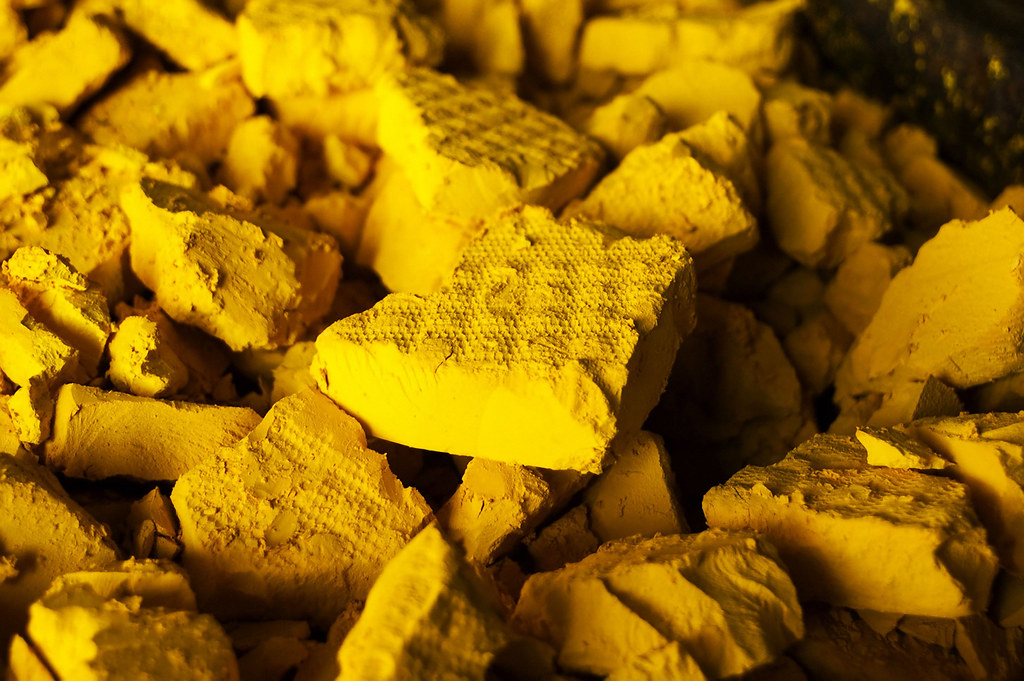
Uranium might have started its time with humanity in infamy, but its usefulness as a dense fuel source will redeem itself in due time. 1,000,000 : 1 is the ratio of energy per unit of uranium to unit of carbon-based fuel sources. For every unit of coal, natural gas, or petroleum it takes 1,000,000 more units of that fuel to equal just one unit of uranium. This math will win out all cost/benefit analysis thought experiments thrown at it. It is a monumental, gigantic, herculean (even) orders of magnitude greater fuel source than all carbon-based fuel and it is clean as well.
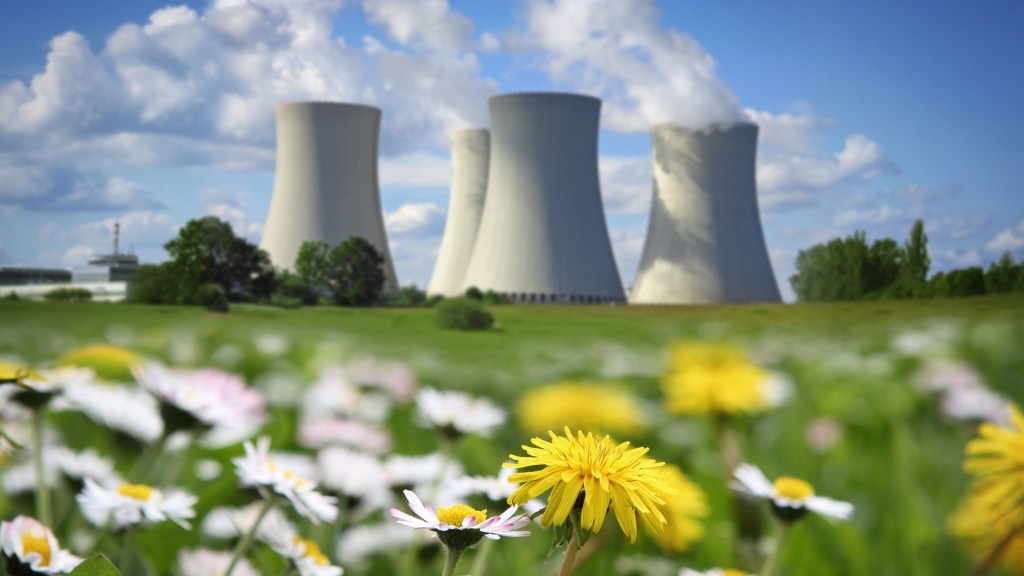
Nuclear energy is the cleanest form of baseload power that we already utilize as a reliable source of energy. Here in the US there is a fleet of 120 reactors that have been quietly producing 20% of our nation’s baseload power for decades. It is clean not only because it is carbon-free, but it also contains 100% of all its waste products within the reactor and this material can be stored safely long-term. The same cannot be said for coal-fired power plants that continually release not only CO2 into the atmosphere but many other toxins, volatiles, and yes, even naturally occurring uranium and other radioactive elements are emitted from coal-fired power plants.
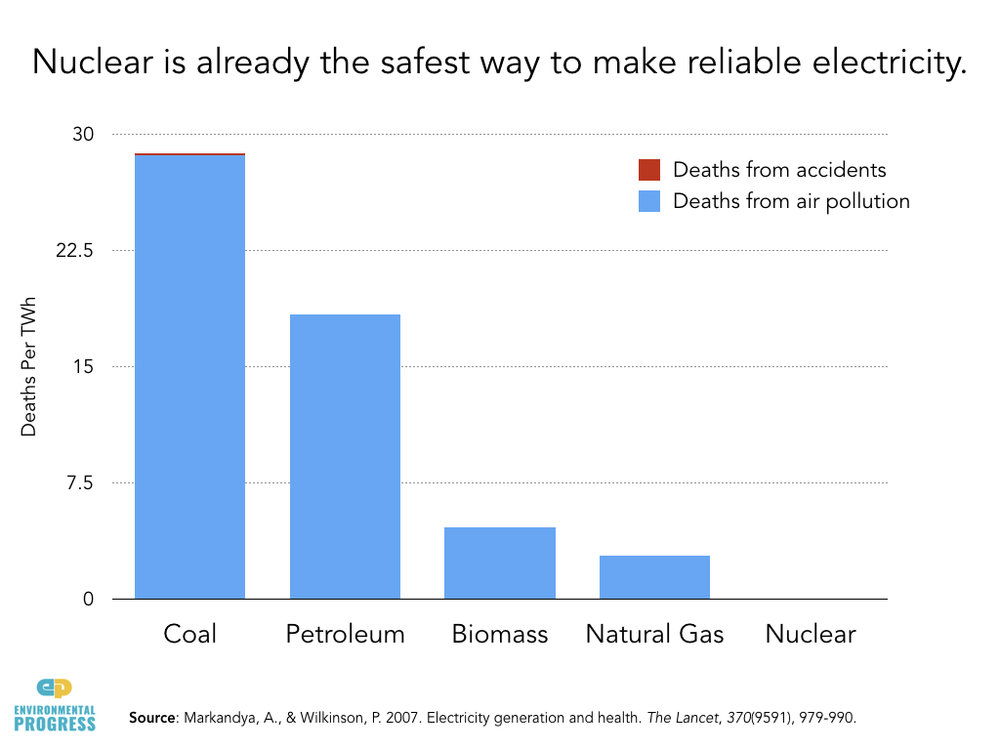
This is not an unknown statistic for those that study these effects on the human population. In this regard it would be safer to live next to a nuclear power plant than to live next to a conventional, coal-fired power plant, where deaths are accounted for by the tera-watt per hour. In fact, by contrast, those living next to a nuclear power plant would receive their equivalent annual dose of radiation from that power plant by simply eating a banana (which has Potassium-40 in it, did you know?)
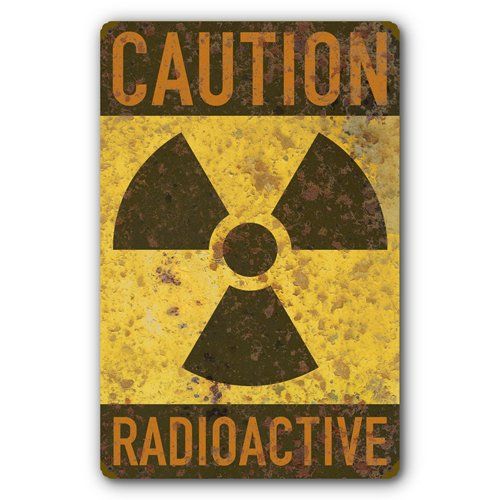
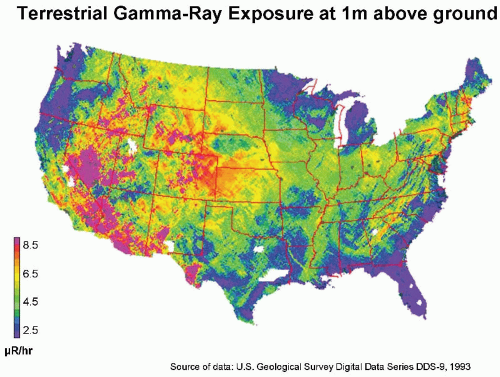
Ionizing radiation needs to be respected not feared. Radiation dose needs to be understood not irrationally demonized. And NORM (naturally occurring radioactive material) needs to be normalized, since anyone living in the Western US quite literally live atop ground that emits gamma radiation everyday. The uranium and its daughter products, that make up the majority of all radioactive isotopes, have been with us for millennia and will continue to be here long after we’ve decided to educate ourselves about it or not.
It is in our geology, our bones, and in our environment… down to a certain parts per billion in sea water. And it can be mined cleanly here in the US and processed to be put into modern, small modular reactors that address previous design short-comings to ensure 100% safe power for our future. These deposits come in many forms but most can be traced back to a granitic or volcanic source within the basement rock of the continent we live.
The most abundant source of uranium that is currently mined within the US is called “roll-front” uranium. These deposits occur in aquifers and fluvial sandstones beneath your feet in places like Central Wyoming and South Texas. You’ve probably driven by the “mines” that produce these ore bodies, but you probably wouldn’t have noticed. The in-situ mining method doesn’t move any dirt, it is a well field of injection and collection wells that add oxygen to the reduced aquifer environment to mobilize the uranium.
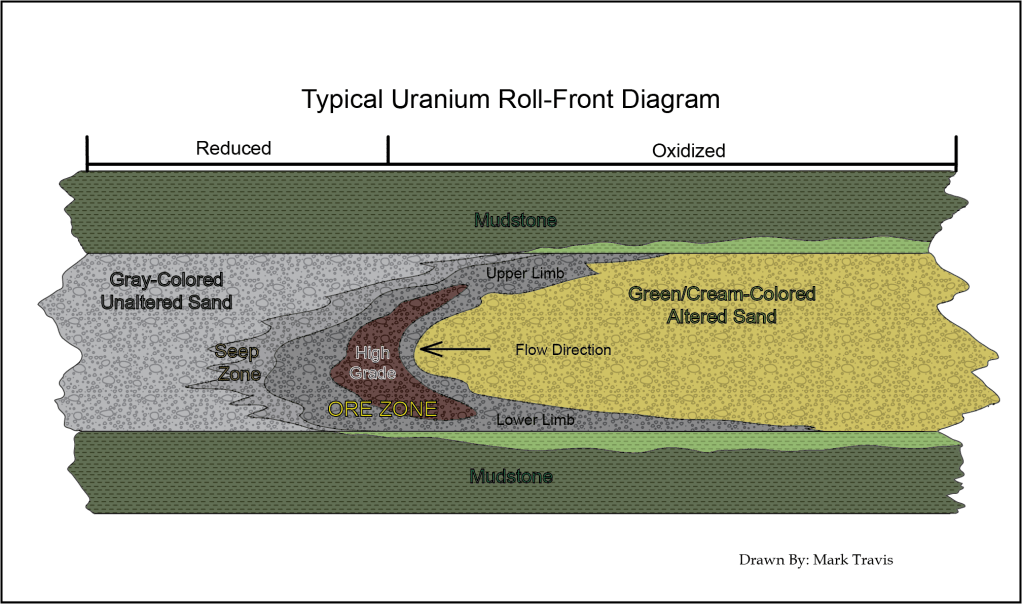
Roll-fronts were first called “geochemical” fronts, referring to the redox boundary within the aquifer that defines them. A roll-front uranium ore body is quite simply where the uranium found naturally within the aquifer drops out of solution due to a reducing environment. In cross-section the system is a “C-shape” due to natural permeability found within the middle of a fluvial sandstone, where the aquifer is able to ‘push’ the roll-front further into the reducing side. The lower and upper limbs (or the “tails”) of the roll-front are where the permeability decreased due to a facies change from fluvial sands to perhaps a mudstone, siltstone, or shale.
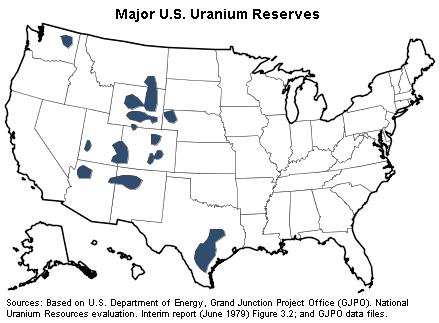
Between the 1950’s and 1980’s uranium production came from numerous mines in the Western US and supplied fuel for baseload power for decades. But these reserves have dwindled and new production will be needed to power the nuclear reactor fleet already in use. But what will happen as we continue to transition away from carbon-based fuel. Renewables will only be able to replace coal-fired power plants so far. In fact, renewable energy within the current energy mix can’t replace coal-fired power plants.
The future of energy production, transportation, and the electrification of our world requires an “all-of-the-above” energy mix. And uranium is a key component to that energy mix and should be considered as a ‘critical’ mineral (though it is not currently listed as such by the USGS). All of the elements required to implement the transition for the energy and transportation sectors need to be part of that list and we need to exploit each one of those resources that are found within our borders. Uranium, gold, silver, lithium, REEs, PGEs, base-metals (Cu, Co, Zn, Sn, etc.) will all be required to make the electrification transition a reality. And all of these elements are found right here in the US where domestic production of these minerals is not only possible but needed for our economic and energy security.

 Mineral Exploration Geology - finding value in the world around us
One response to “Uranium: Humanity’s New Fire”
Great Article!
1: Where can I get some plans for a home built nuclear plant
2: Where can I get some Uranium to run it.
Thanks!
LikeLike