

The uranium mining sector has been experiencing significant volatility and growth over the past few years. A key factor driving this volatility is the difference between the spot price and the term price of uranium. Understanding how these prices affect stock prices and what this means for future exploration is crucial for investors and industry stakeholders.
Spot Price vs. Term Price
The spot price of uranium is the price at which uranium is traded for immediate delivery. It is influenced by short-term market conditions, such as supply and demand fluctuations, geopolitical events, and investor sentiment. On the other hand, the term price is the price agreed upon for future delivery, typically through long-term contracts between uranium producers and utilities. Term prices are generally more stable and reflect long-term market expectations.
Impact on Stock Prices
The disparity between spot and term prices has had a notable impact on the stock prices of uranium mining companies. When the spot price is high, it often leads to increased investor interest and higher stock prices. Conversely, when the spot price falls, it can result in a decline in stock prices. However, the term price, being more stable, provides a more reliable indicator of long-term market conditions and can help mitigate some of the volatility seen in stock prices.
For example, in recent years, the spot price of uranium has experienced significant fluctuations, with a cumulative increase of 212.25% over five years. Despite short-term declines, the long-term bullish trend has supported strong performance in uranium mining equities. The Northshore Global Uranium Mining Index, for instance, posted a 29.23% gain over the same period.
Future Exploration in the Uranium Sector
The current market dynamics suggest a positive outlook for future exploration in the uranium sector. The growing global demand for nuclear energy, driven by the need for clean and reliable power sources, is expected to continue supporting the uranium market. Additionally, geopolitical factors, such as supply uncertainties in major uranium-producing countries like Kazakhstan and Russia, are likely to drive further exploration and production.
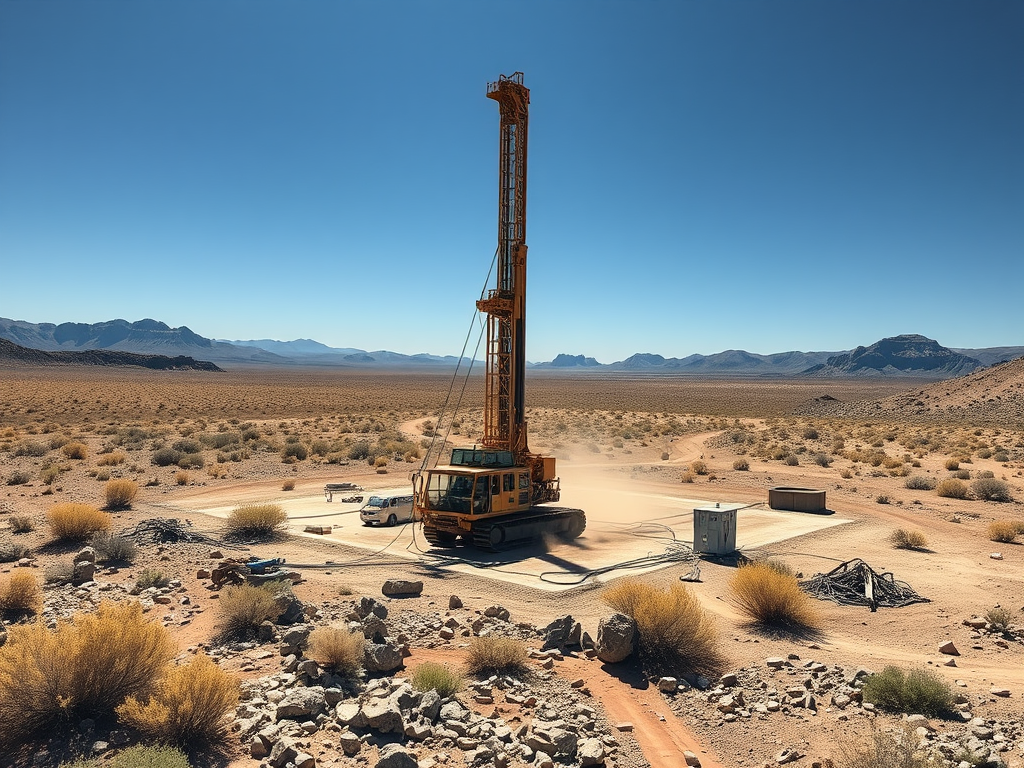
Companies like Nuclear Fuels Inc. are actively exploring new uranium deposits, with projects in premier uranium jurisdictions. The potential for discovering new high-grade uranium deposits and the existing infrastructure for production make these projects attractive for future exploration.
In conclusion, the uranium mining sector is poised for continued growth, with the spot price and term price playing crucial roles in shaping stock prices and influencing future exploration efforts. Investors and industry stakeholders should keep a close eye on these market dynamics to make informed decisions and capitalize on the opportunities presented by the evolving uranium market.
 Mineral Exploration Geology - finding value in the world around us