

The Ripple Effect of Trump Tariffs on Metal Commodity Prices
The Trump administration’s recent tariff policies have sent shockwaves through the global metal markets, particularly impacting commodities like copper. These tariffs, aimed at bolstering domestic production, have created a unique interplay of short-term opportunities and long-term economic challenges.
The Arbitrage Opportunity for Metal Traders
The mere announcement of potential tariffs on copper imports has already sparked a frenzy among metal traders. With the U.S. copper market experiencing unprecedented price dislocations, traders are exploiting the widening gap between domestic (CME) and international (LME) copper prices. For instance, CME copper contracts are trading at a significant premium over their LME counterparts, creating a lucrative arbitrage opportunity. This has led to a surge in copper imports as traders rush to stockpile the metal before tariffs take effect.
A Short-Term Boon for Domestic Mines and Explorers
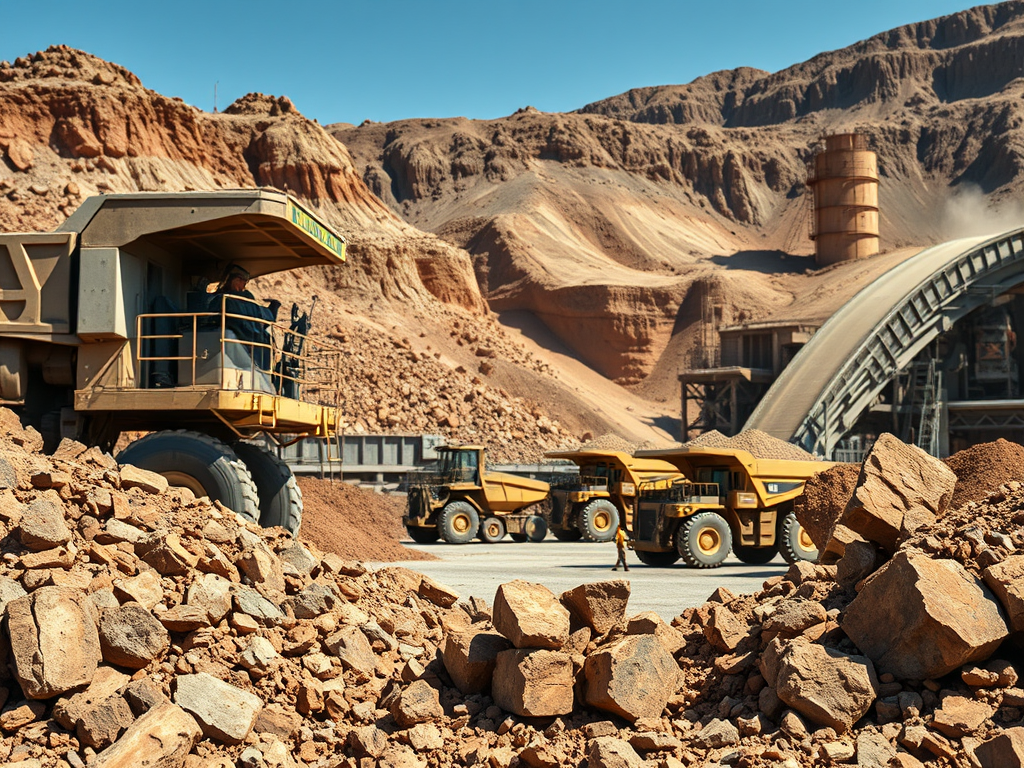
This run on copper and other metals has inadvertently benefited domestic mines and explorers. As the market braces for higher import costs, domestic producers find themselves in a favorable position to meet the rising demand. This short-term boon could lead to increased investment in domestic mining projects, potentially accelerating the development of new mines. However, the timeline for such projects to become operational often spans years, meaning the immediate benefits may be limited.
The Long-Term Economic Implications
While the short-term effects of tariffs may appear beneficial for certain sectors, the long-term consequences paint a more complex picture. Tariffs act as a double-edged sword: they protect domestic industries but also disrupt global supply chains and inflate costs for consumers and businesses alike. Over time, these stop/start economic mechanisms can lead to reduced productivity, strained trade relationships, and a less competitive domestic market.
Moreover, the uncertainty surrounding tariff policies can deter investment and innovation, as businesses grapple with fluctuating costs and market instability. Retaliatory measures from trading partners further exacerbate these challenges, potentially leading to a downward spiral of reduced trade and economic growth.
Conclusion
The Trump tariffs on metals like copper highlight the intricate balance between short-term gains and long-term economic stability. While they may provide a temporary boost to domestic industries, the broader implications underscore the need for a more nuanced approach to trade policy—one that fosters both domestic growth and global cooperation. The question remains: can the U.S. navigate these turbulent waters without capsizing its economic ship? Only time will tell.
 Mineral Exploration Geology - finding value in the world around us