

The resurgence of nuclear energy as a vital source of clean and reliable power has pushed the demand for uranium into unprecedented territory. The latest “Red Book” report by the Nuclear Energy Agency and International Atomic Energy Agency serves as a wake-up call for the industry and governments worldwide. It highlights the urgency of investing in exploration, development, and innovative processing techniques to sustain nuclear energy’s growth, particularly as ambitions for a low-carbon future mount.
Current State of Uranium Resources and Global Distribution
The report reveals that global identified recoverable uranium resources amount to approximately 7.93 million tonnes as of January 2023. These resources are sufficient to support the projected growth of nuclear power until the 2080s under a high-growth scenario, where nuclear capacity rises significantly through 2050 and remains elevated afterward. However, a minimal increase in identified resources—less than 0.5% since the 2022 edition—underscores the need for immediate action.
Australia dominates the resource landscape with 24% to 28% of global uranium reserves, much of it concentrated in the Olympic Dam deposit. Kazakhstan, while accounting for 14% of the resources, outpaces every other nation in production, responsible for 43% of global uranium output in 2022. Other major players include Canada, Namibia, Uzbekistan, Russia, and Niger.
Post-COVID Market Trends: Revival of Exploration and Production
The Red Book provides evidence of a rejuvenated uranium sector following the pandemic-induced slump. Exploration and mine development expenditures climbed from $800 million in 2022 to $840 million in 2023, with production growing by 4% between 2020 and 2022. This trend is expected to persist as demand continues to rise.
However, establishing new production centers faces critical hurdles: risk-averse investment climates, prolonged regulatory processes, geopolitical challenges, and technical difficulties. These barriers suggest that while the medium-term outlook appears promising, extensive planning and investment are vital to avoid supply shortages in the future.
Implications for Exploration and Development
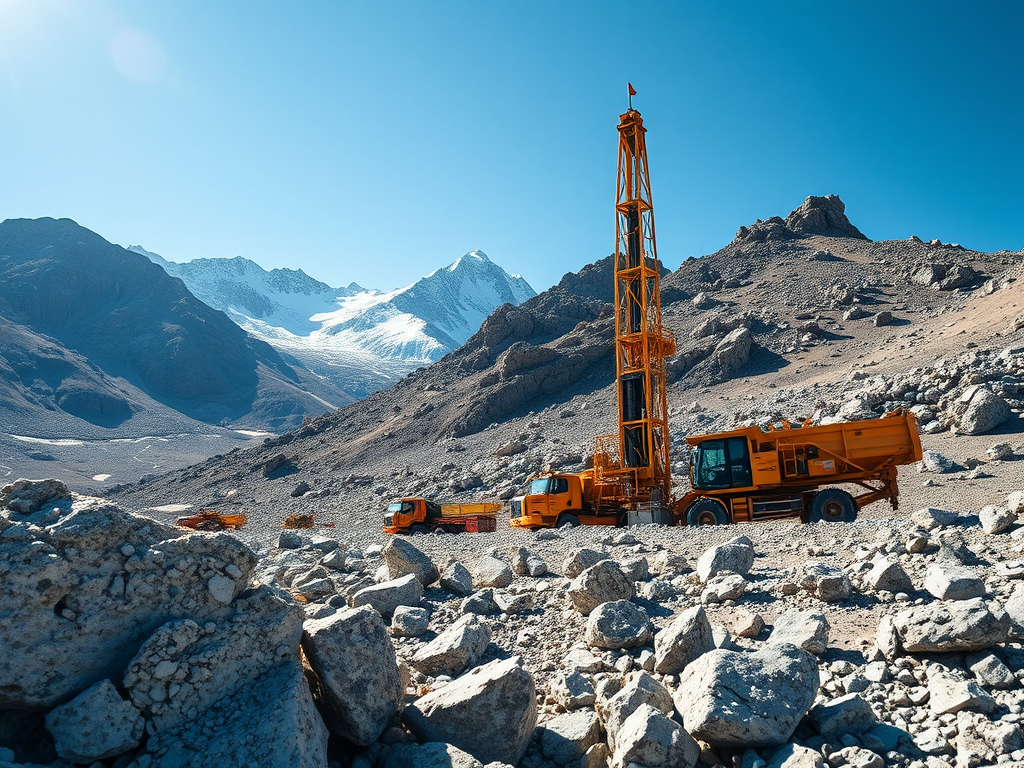
The call to action is clear: new exploration efforts must identify additional recoverable uranium resources to offset rising demand. Investing in research to develop efficient extraction methods for lower-grade ores is also crucial. For instance, innovative technologies, such as in-situ recovery, could become game-changers by reducing costs and environmental impact.
Additionally, geopolitical and regulatory frameworks need to support exploration activities. Governments must streamline permitting processes and provide financial incentives for investments in mining infrastructure.
Long-Term Outlook for Uranium Mining and Processing
The high-growth scenario projected in the Red Book indicates nuclear capacity could rise by 130% by 2050 compared to 2022 levels. Meeting this demand requires not just mining more uranium but also advancing processing techniques, particularly in producing nuclear fuels like triuranium octoxide (U3O8), commonly known as yellowcake. Modernizing processing facilities and diversifying supply chains will be critical to ensure stability and resilience in the uranium market.

Role of Nuclear Energy in Decarbonization and Corporate Strategies
Nuclear energy is entering a “new era,” according to the International Energy Agency, with investment levels nearing those last seen during the oil crises of the 1970s. Its potential as a baseload power source has attracted both governments and corporations. At the Cop28 climate conference in Dubai, 25 countries pledged to triple nuclear generation capacity by 2050. Corporations like Microsoft and Amazon are also investing in nuclear power to fuel data centers and AI systems.
This renewed interest signals that nuclear energy is no longer just an alternative; it is a cornerstone of global decarbonization strategies. However, this soaring demand for nuclear power must align with investments in uranium mining and processing to support these ambitions sustainably.
Conclusion: A Decisive Decade Ahead
The nuclear sector is poised for rapid expansion, but this growth hinges on immediate investments in uranium exploration, development, and processing. Governments and corporations must prioritize these efforts to ensure a stable and sustainable supply chain for nuclear fuels. The 2020s will be a decisive decade—not only for the uranium market but also for shaping the future of global energy systems.
 Mineral Exploration Geology - finding value in the world around us